


If numbness, tingling, burning, or shooting pains are stealing the joy from everyday life, you’re not alone. Neuropathy affects millions of Americans and can make simple tasks feel overwhelming. At Sweeney Health Centers in Franklin, we’re proving there’s a better path—one centered on non-evasive neuropathy treatment that targets root causes, restores function, and helps you feel like yourself again.
Our approach blends advanced technology with personalized care plans to support nerve health, circulation, and mobility—without surgery or habit-forming medications. Below, you’ll learn what neuropathy is, why non-evasive strategies matter, and how our Franklin team is helping patients rewrite their story.
Contact us today to learn more!
What Is Neuropathy—and Why Non-Evasive Neuropathy Treatment Matters
Neuropathy is nerve damage that disrupts how your nerves communicate with your brain and spinal cord. It can be triggered by diabetes, chemotherapy, autoimmune issues, injuries, metabolic conditions, infections, and even certain medications. Symptoms range from mild tingling to debilitating pain, balance problems, muscle weakness, and temperature sensitivity.
Non-evasive neuropathy treatment matters because many patients want relief without the downtime, risks, and side effects associated with surgery or long-term, high-dose pain medications. Instead of masking symptoms, the goal is to support the body’s ability to repair and restore by improving blood flow, nourishing nerves, and addressing lifestyle factors that exacerbate damage.
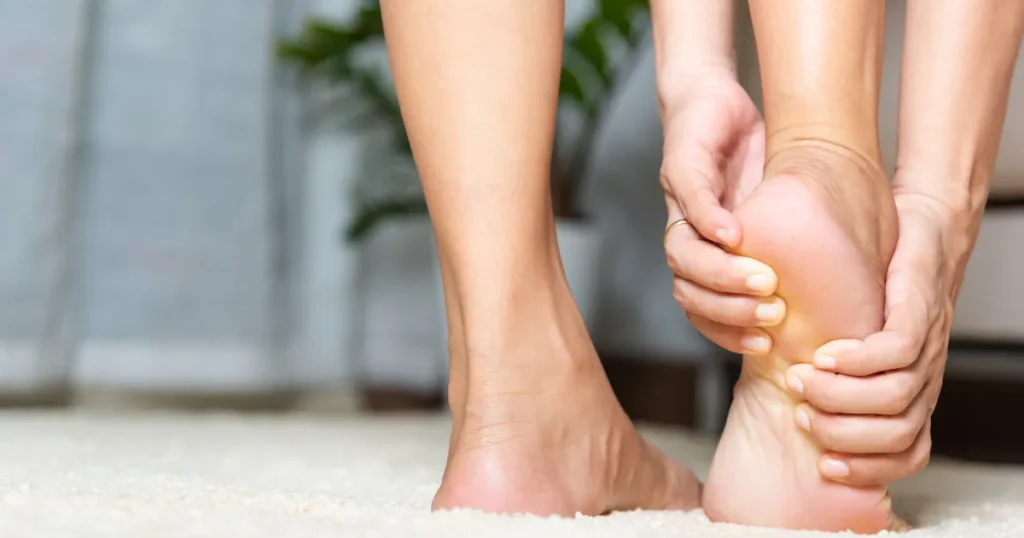
The Franklin Difference: Personalized, Non-Evasive Neuropathy Treatment That Fits Your Life
At Sweeney Health Centers, we tailor your plan to your unique history, symptoms, and goals. Your care may include:
- Targeted Nerve Stimulation & Rehabilitation: Gentle, non-evasive modalities designed to encourage healthier nerve signaling and help calm overactive pain pathways.
- Circulation & Microvascular Support: Strategies that promote better blood flow to peripheral nerves—critical for delivering oxygen and nutrients required for nerve health.
- Lifestyle & Nutritional Guidance: Practical changes that can reduce inflammation, stabilize blood sugar where relevant, and protect nerves over time.
- Mobility & Balance Training: Progressive exercises and at-home routines that improve stability, strength, and confidence with everyday activities.
Every element of your plan is designed to be comfortable, practical, and sustainable, so you can integrate care into your normal routine without major disruption.
How Non-Evasive Neuropathy Treatment Helps Relieve Key Symptoms
While results vary, many patients report meaningful improvements when they commit to a comprehensive, non-evasive plan:
- Less Burning and Tingling: Calming hypersensitive nerve fibers can take the “edge” off persistent pins-and-needles sensations.
- Improved Sensation: Supporting circulation and nerve health may help restore more normal feeling in hands and feet.
- Better Balance and Coordination: Neuropathy often disrupts proprioception (your sense of body position). Focused exercises and nerve support may improve stability and reduce fall risk.
- More Energy and Confidence: When pain and numbness recede, everyday tasks feel easier—and motivation to be active returns.
Why Franklin Patients Choose Our Non-Evasive Neuropathy Treatment Path
Sweeney Health Centers focuses on three pillars that set our care apart:
- Evidence-Informed Methods
We build your plan around widely recognized concepts—supporting nerve health, microcirculation, and function—aligned with what major national health organizations describe as key factors in neuropathy care. - A Whole-Person Strategy
Nerves don’t heal in isolation. Our non-evasive neuropathy treatment addresses the bigger picture: movement, nutrition, sleep quality, and daily habits that either help nerves recover—or hold them back. - Measurable, Patient-Centered Progress
From day one, we define meaningful goals (like walking farther, standing longer, or sleeping better) and track your improvement so you can see and feel the difference.
What to Expect at Your First Non-Evasive Neuropathy Treatment Visit
Your first visit is all about clarity and comfort. Here’s how it works:
- Comprehensive Consultation
We discuss your symptoms, health history, lifestyle, and goals. We want the full picture—what’s helped, what hasn’t, and what progress would look like for you. - Targeted Functional Assessments
Simple, non-evasive checks for sensation, balance, gait, flexibility, and strength. These help us identify where nerves and movement patterns need the most support. - Personalized Care Roadmap
You’ll leave with a clear plan outlining recommended non-evasive neuropathy treatment options, at-home actions, and realistic milestones. Transparency is key: you’ll know what we’re doing, why we’re doing it, and how we’ll measure success.
Who Benefits Most from Non-Evasive Neuropathy Treatment
While nearly anyone with peripheral neuropathy symptoms may benefit, we often see strong responses in:
- People with Metabolic or Blood Sugar Concerns
Stabilizing lifestyle factors that affect nerve health can be a game changer when combined with non-evasive care. - Active Adults Held Back by Pain or Numbness
If tingling, burning, or weakness derails your workouts, hobbies, or time with family, a tailored plan can help restore momentum. - Post-Treatment or Post-Injury Patients
After certain medical treatments or injuries, non-evasive support can aid your return to confident movement and daily activity.
The Science Behind Non-Evasive Neuropathy Treatment
Why non-evasive neuropathy treatment works begins with the science of nerve healing and regeneration. Peripheral nerves have an incredible—but limited—capacity to repair themselves when the right environment is created. Unlike invasive procedures that attempt to manually correct or replace damaged tissue, non-evasive methods focus on stimulating the body’s own repair systems to reactivate dormant nerve pathways and restore healthy communication between the brain and affected areas.
At Sweeney Health Centers, this scientific foundation guides every therapy. By combining gentle electrical stimulation, improved circulation, and lifestyle optimization, our approach enhances neuroplasticity—the brain’s ability to adapt and rewire around damaged nerve connections. Improved microcirculation ensures that oxygen and nutrients reach the smallest nerve endings, while guided movement retrains the nervous system to regain coordination and sensation.
Clinical research has shown that targeted stimulation and circulatory enhancement can lead to measurable nerve function improvement and reduced pain intensity. This makes non-evasive neuropathy treatment not just a comfort-based option, but a scientifically grounded pathway toward long-term recovery.
At its core, this treatment philosophy embraces the body’s natural intelligence—helping nerves heal safely, gradually, and effectively without surgery or pharmaceuticals.

FAQs About Non-Evasive Neuropathy Treatment at Sweeney Health Centers
How soon will I notice changes?
Many patients begin to feel early improvements within weeks, especially with consistent in-office and at-home follow-through. Your exact timeline depends on your health history, severity, and adherence to the plan.
Is this a replacement for my current medical care?
Our approach is complementary. We encourage you to keep your primary providers informed. We focus on non-evasive neuropathy treatment strategies that support nerve health and daily function.
Will I need ongoing sessions forever?
Not necessarily. The aim is to help you reach stable improvements and equip you with maintainable habits. Many patients taper visit frequency as their function improves.
Simple Daily Habits That Amplify Non-Evasive Neuropathy Treatment
Small, consistent steps make a big difference:
- Move with Purpose: Gentle walking and guided balance work stimulate circulation and nerve engagement.
- Nourish Nerves: Prioritize whole foods, lean proteins, fiber, and hydration. Be mindful of added sugars, which can stress nerves, especially if you have blood sugar concerns.
- Protect Your Feet: Daily checks, supportive footwear, and skin care matter—especially if sensation is reduced.
- Sleep Well: Quality sleep is when your body does a lot of repair work; create a steady routine to encourage deeper rest.
- Stay Consistent: The best non-evasive neuropathy treatment is the one you can sustain. We’ll help you keep it realistic.
Ready to Start? Discover Franklin’s Leading Non-Evasive Neuropathy Treatment
If neuropathy has been telling you what you can and can’t do, it’s time to turn the page. At Sweeney Health Centers, our Franklin team makes care approachable, practical, and personalized—so you can get back to living on your terms.
Call us now at 615-595-9062 or sign up for our new patient special to begin your customized non-evasive neuropathy treatment plan.
Sources (National Databanks & Government Health Resources)
- National Institute of Neurological Disorders and Stroke (NINDS) — Peripheral Neuropathy Fact Sheet.
Overview of causes, symptoms, and approaches associated with peripheral neuropathy.
https://www.ninds.nih.gov/health-information/disorders/peripheral-neuropathy - MedlinePlus (U.S. National Library of Medicine / NIH) — Peripheral Neuropathy.
Patient-friendly, evidence-based summary of neuropathy symptoms, diagnostics, and care considerations.
https://medlineplus.gov/peripheralneuropathy.html - National Institute of Diabetes and Digestive and Kidney Diseases (NIDDK / NIH) — Diabetic Neuropathies: The Nerve Damage of Diabetes.
Authoritative resource on neuropathy linked to metabolic factors and blood sugar control.
https://www.niddk.nih.gov/health-information/diabetes/overview/preventing-problems/nerve-damage-diabetic-neuropathies