

Sweeney Health Centers • Patient education
Research Briefs
What does the research actually say about moving better, living with less pain, and protecting nerve function? These briefs from Sweeney Health Centers translate the studies into plain English and link directly to the evidence.
Two series: Our Chiropractic Research Brief covers back and neck pain, headaches, exercise, and rehabilitation. Our Neuropathy Research Brief covers sensation, balance, circulation, and nerve recovery. Each edition explains what was measured, what remains uncertain, and a question you can bring to your next visit.
Choose a series: Chiropractic research · Neuropathy research
Browse the research briefs

Less pain, better balance, or nerve regrowth: what did the studies measure?
A trial of implanted spinal-cord stimulation in 91 people with severe, treatment-resistant painful diabetic neuropathy reported a six-month increase in lower-calf skin nerve-fiber density: 0.58 fibers/mm on average,… Read the brief

What should a neck-pain care plan measure?
A Canadian chiropractic care pathway describes hands-on treatment as one option alongside exercise and regular reassessment. Read the brief
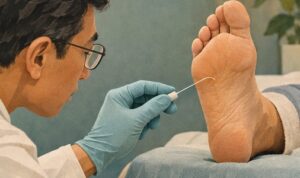
Why a neuropathy exam checks more than pain
Someone can lose protective feeling in the feet without noticing pain. Read the brief
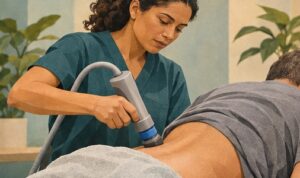
Shockwave, sleep, and what recovery from back pain can look like
A review of nine trials found that radial shockwave may ease chronic low-back pain in the short term. Read the brief

Diabetic neuropathy can matter beyond the feet
In a study of 794 people with diabetic neuropathy, worse nerve-conduction findings were associated with poorer measures of autonomic function related to heart rate. Read the brief
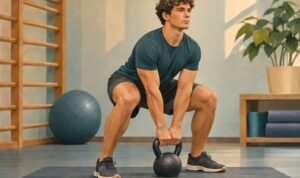
Feeling better after an adjustment: am I ready to lift?
In a laboratory trial of 50 adults with persistent low-back pain, researchers compared manipulation, brief exercise, and an openly described placebo. Read the brief
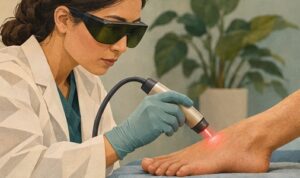
Laser research for neuropathy: why the device and diagnosis matter
A small sham-controlled trial found a symptom benefit with a particular dual-wavelength laser in painful diabetic neuropathy. Read the brief
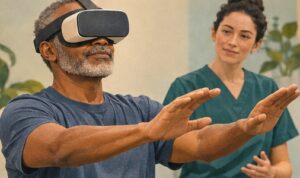
What did virtual reality add to back-pain exercise?
A six-week study compared stabilization exercises with and without virtual reality in women aged 30–50 with chronic back pain and a pronounced lower-back curve. Read the brief
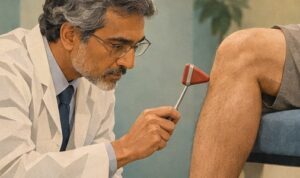
When numbness is not explained by diabetes alone
Two clinical reviews make an important point: the pattern of symptoms matters. Read the brief

Persistent back pain: why a rehabilitation visit may cover more than exercise
A randomized trial at one center compared two programs in 80 people with chronic low-back pain. Read the brief
Browse the full research archive